Latest News
-
09 Jun 26
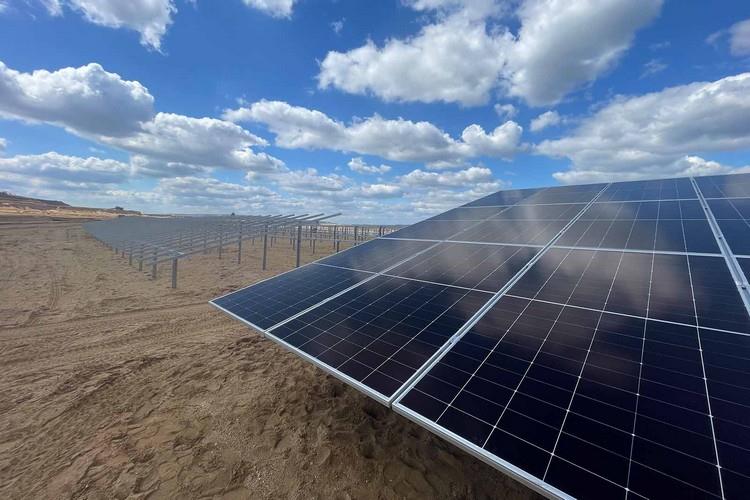
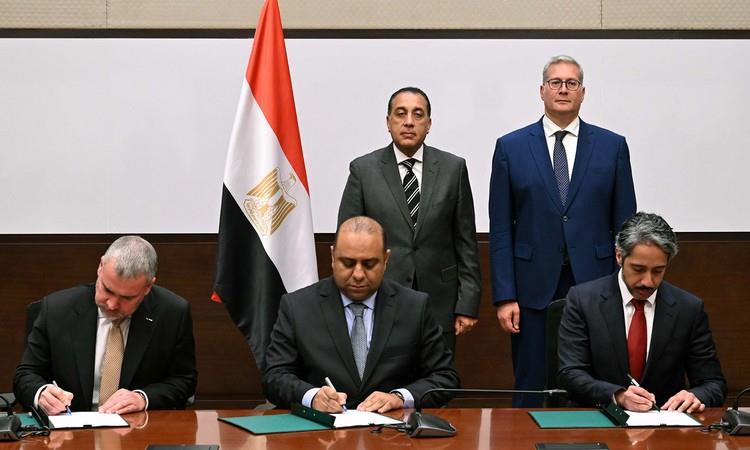
 Egypt: Alcazar Energy Partners signs acquisition terms with NREA in respect of the 580 MW Gabel el Zeit Wind Project in Egypt
Alcazar Energy Partners ('AEP'), a leading independent infrastructure fund manager focused on utility-scale renewable energy projects in growth markets, has signed acquisition terms with the New and Renewable Energy Authority ('NREA') in respect of the 580 MW Gabel el Zeit Wind Project located in Egypt’s Red Sea Governorate. -
09 Jun 26
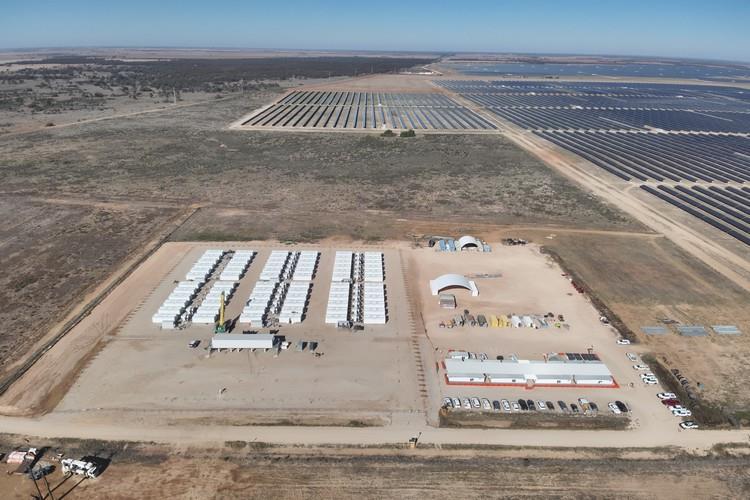
 Chile: ACCIONA Energía doubles energy storage plans in Chile
ACCIONA Energía will build a new 1GWh battery energy storage system (BESS) in Chile, strengthening renewable energy integration and improving grid stability. -
09 Jun 26
 Croatia: EBRD invests €50 million to strengthen capital markets and green financing in Croatia
EBRD invests €50 million in €400 million senior preferred bond issued by Erste Bank Croatia. Financing supports green investments and strengthens resilience of banking sector. -
09 Jun 26
 EBRD supports renewables in south-eastern Europe
The European Bank for Reconstruction and Development (EBRD) is providing a €175 million loan to Public Power Corporation (PPC) to support renewable energy projects across Bulgaria, Greece and Romania. -
09 Jun 26
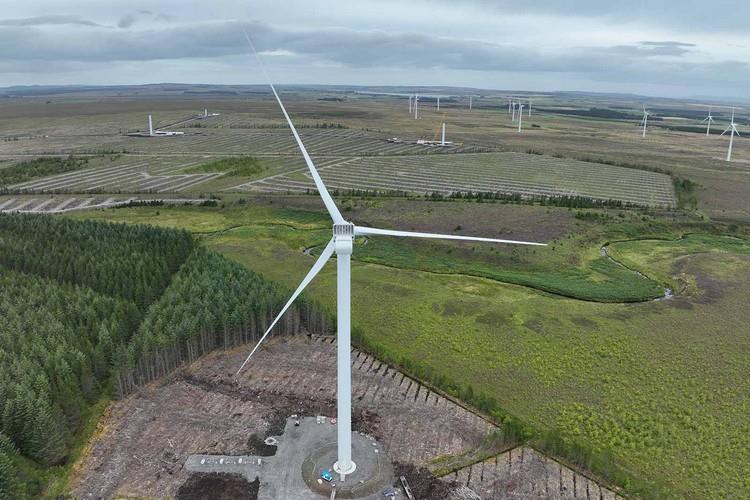
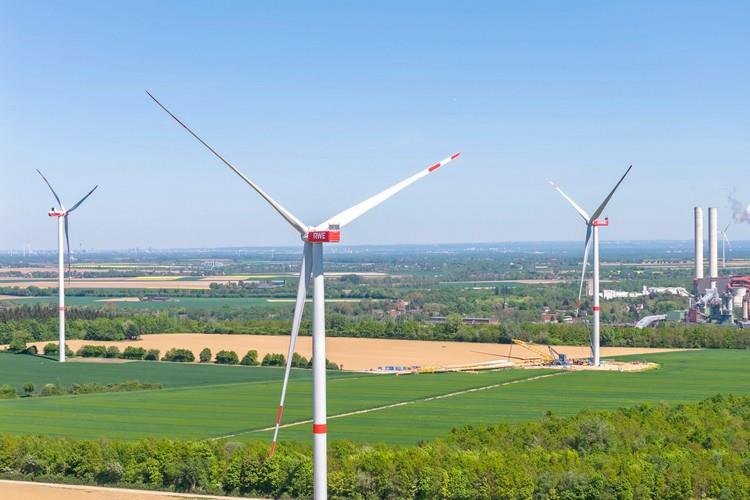
 UK: New report from Aurora Energy Research finds that increasing Scottish onshore wind deployment after 2030 could reduce energy system costs by £5bn
A new independent report by leading energy market analysts Aurora Energy Research, commissioned by the Scottish Onshore Wind Developers Forum SOWDF has found that rebalancing a share of planned Scottish offshore wind towards Scottish onshore wind after 2030 would deliver a lower-cost energy system and accelerate progress towards energy security. -
09 Jun 26
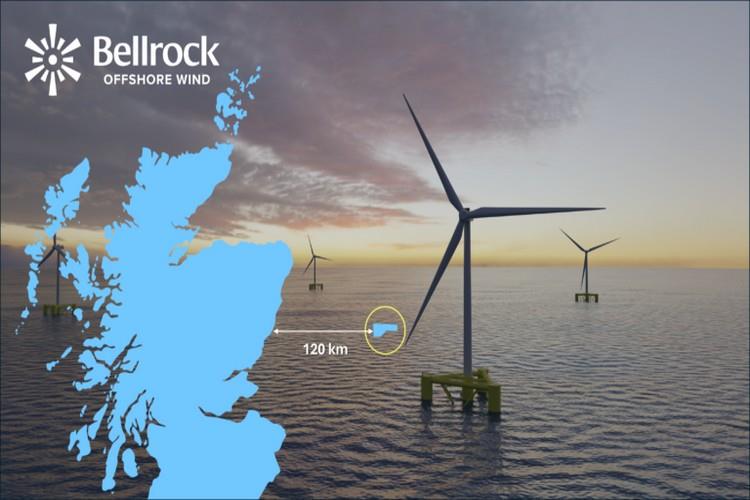
 UK: The Crown Estate to launch tender for Morgan offshore wind site in the Irish Sea
The Crown Estate intends to launch a competitive tender process next month to bring the Morgan offshore wind site back to market, with a view to awarding it to a developer in late 2026. The site with the potential for up to 1.5GW in the Irish Sea was brought to market through Offshore Wind Leasing Round 4 in 2021 but development was discontinued in January 2026. -
09 Jun 26
 Sweden: Bilfinger to deliver major district heating accumulator for E.ON in Sweden – reducing emissions by up to 50 percent
International industrial services provider Bilfinger has been awarded a contract by E.ON to deliver a large-scale district heating accumulator for the city of Malmö. With a height of approx. 70 meters and a storage capacity of around 2,400 MWh, the facility represents the largest single investment in district heating in the city in many years. -
09 Jun 26
 Nordex Group records 155 MW of new orders in Southern Europe and Türkiye
In the past weeks, the Nordex Group secured new orders totalling 155 MW in multiple South Europe countries and additional further ones also again in Türkiye. The contracts include the supply and installation of 34 wind turbines. -
09 Jun 26
 US: Zephyr Energy announces Paradox project update - Key step towards first gas
Zephyr Energy has provided an update on activity in the Paradox Basin, Utah, U.S., including the successful completion of the gas pipeline in-line inspection process. This allows for the formal commencement of the regulatory approval process required to ship gas on the publicly regulated pipeline connected to Zephyr's leaseholding in the Paradox project. -
09 Jun 26
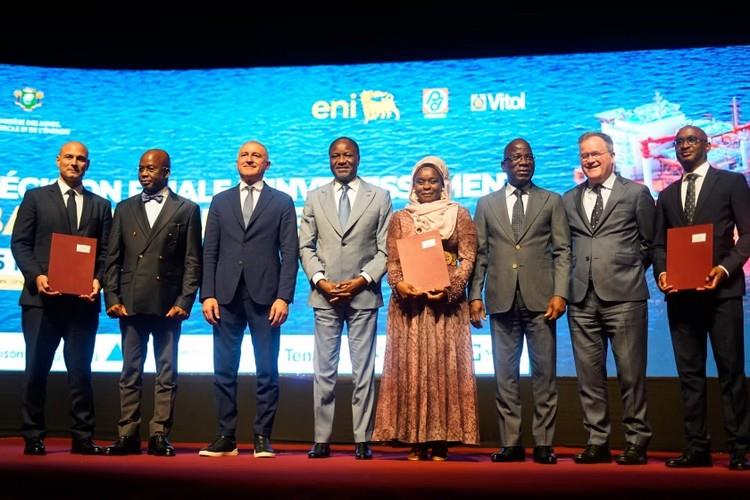
 Cote d'Ivoire: VAALCO Energy announces Baobab field production resumes after successful FPSO refurbishment
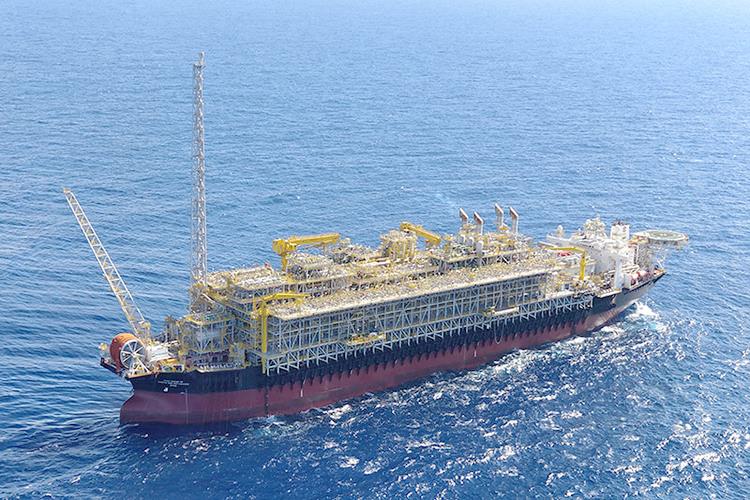
VAALCO Energy has announced that the Baobab field on CI-40 block, offshore Côte d’Ivoire is back online following the successful Baobab Ivoirien Floating Production Storage and Offloading vessel ('FPSO') refurbishment. -
09 Jun 26
 Barbados puts 19 offshore blocks out to tender
Barbados has officially opened a new offshore licensing drive, inviting international energy companies to bid on 19 ultra-deepwater blocks. The launch of the 2026 Offshore Petroleum Direct Negotiations creates a three-month window for proposals to explore for oil and natural gas in the island’s waters. -
09 Jun 26
 Mozambique: Technip Energies secures major contract for Coral Norte floating LNG project in Mozambique
Technip Energies, in partnership with JGC and Samsung Heavy Industries, has been awarded an Engineering, Procurement, Construction, Installation & Commissioning (EPCIC) contract by Mozambique Rovuma Venture (MRV) for the Coral Norte FLNG project. -
09 Jun 26
 TGS awarded offshore wind site characterization contract in Europe
TGS, a leading provider of energy data and intelligence, has announced the award of an offshore wind site characterization contract in Europe. The Ramform Vanguard is scheduled to commence data acquisition in early August, and the contract has a duration of approximately three weeks. -
09 Jun 26
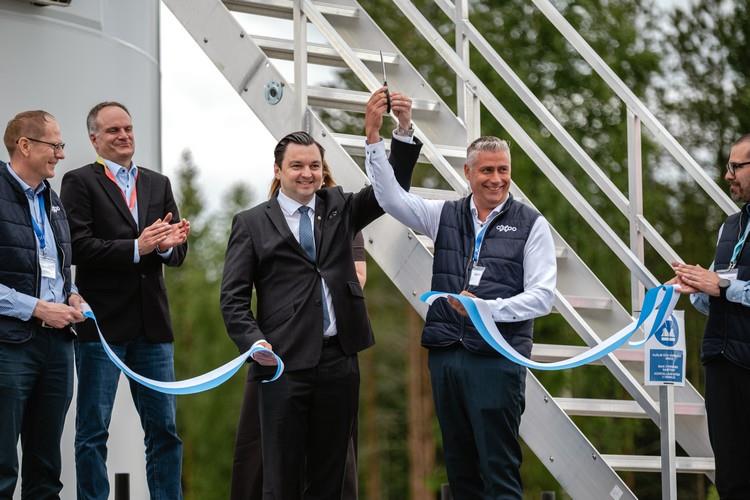
 Finland: Axpo launches Lålax wind farm in Finland
Axpo has launched its first wind farm in Finland, with total capacity of 24.8 MW. Projected annual production of 70 million kilowatt hours could meet electricity needs of around 5,400 families. -
08 Jun 26
 Ireland: Net Zero Energy announces plans for a 600MW long-duration energy storage project in County Carlow using green hydrogen
Plans to develop a 600MW Long Duration Energy Storage (LDES) facility which will use excess renewable energy to generate green hydrogen to provide electricity have today been unveiled. Known as Rathrush Green Energy Park, the proposed site is located outside Rathoe in Co Carlow and is being developed by Irish firm, Net Zero Energy (NZE). -
08 Jun 26
 GoM: SLB OneSubsea secures subsea boosting contract for bp’s Thunder Horse Project in Gulf of America
Global energy technology company SLB has announced that its OneSubsea™ joint venture has been awarded a contract by bp to provide a subsea boosting system for the Thunder Horse project, a development in the deepwater portion of Gulf of America. -
08 Jun 26
 Namibia: ReconAfrica commences production testing at the Kavango West 1X discovery
Reconnaissance Energy Africa, along with partners NAMCOR and BW Energy, have commenced production testing operations at Kavango West 1X ('KW1X'), onshore Namibia.