The Wisting partnership is awarding Aibel a front-end engineering and design study contract for the topsides of the production vessel.
'We are at an early stage in the development of Wisting, and considerable work remains to develop a project that is profitable and feasible. If we succeed, it will contribute to energy security for Europe and generate revenues for Norwegian society. Wisting will generate activity in the Norwegian supplier industry and in local communities in the north over a 30-year period,' says Trond Bokn, Equinor's senior vice president for project development.
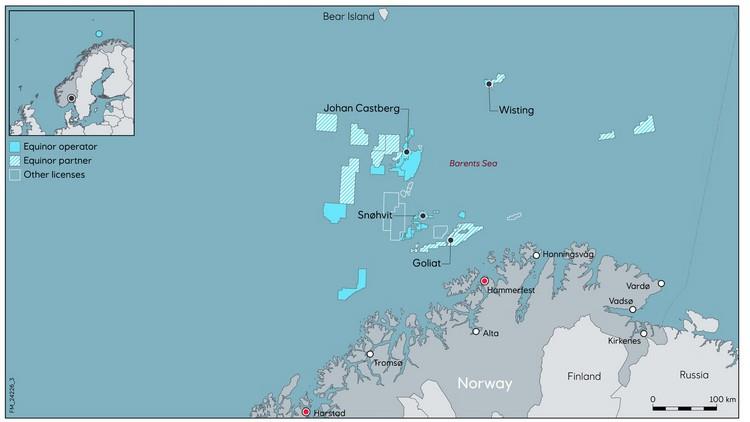
The contract for front-end engineering and design (FEED) of the production vessel’s topsides has been awarded to Aibel following a competitive tender involving Norwegian suppliers. According to Aibel, approximately 250 people will be involved.
The contract covers front-end engineering and further maturation of the design to provide a basis for a decision on project execution, with an option for engineering, procurement and project management (EPma). The contract for fabrication of the topside modules will be awarded at a later stage.
'We are pleased to welcome Aibel to the Wisting team. This FEED contract will form part of the overall basis for a potential investment decision. We will work with the suppliers on improvements to enable the project to be realised,' says Bokn.
The partnership plans to do a concept selection and whether to progress Wisting towards the end of 2026. The investment decision is planned for late 2027.
Wisting licensees: Equinor Energy AS (42.5%), Aker BP ASA (27.5%), Petoro AS (20%) and INPEX Idemitsu Norge AS (10%).
Estimated ripple effects if Wisting is developed
- A development of Wisting would also offer significant opportunities for the Norwegian supplier industry in engineering and equipment deliveries.
- Drilling and wells and subsea development account for half of the total investment in Wisting. Most of this activity will generate value in Norwegian industry.
- Operations at Wisting will primarily generate ripple effects in Norway. Operations are expected to last for 30 years, generating activity for the Norwegian supplier industry, helping to sustain industrial jobs and supporting activity in local communities in the north.
Source: Equinor