In Norway, a seemingly innocuous asset swap deal has highlighted the vulnerability of UK pipeline systems to Norwegian entrants.
Vår Energi and Equinor recently announced a deal to exchange assets on the Norwegian Continental Shelf, whereby Vår Energi will receive a 32.5% interest in the Peon discovery and takes operatorship from Equinor, which retains 27.5% equity.
Prior to the deal, Equinor had already worked up plans for the development of Peon, that will see the discovery tied back to the Vår Energi Gjøa hub, 65 km to the southeast. Gjøa currently exports gas through the FLAGS pipeline to the SEGAL terminal at St Fergus. However, the proposed development plan for Peon incorporates a new gas export pipeline which would transport gas to the Kårstø plant in Norway (Figure 1). If developed, the project would establish an alternative export route for gas from the Gjøa area.
Specific details of the tie-in point for the new export pipeline were not reported, but options could be a tie-in to the Statpipe rich gas pipeline or to the Åsgard Transport System, both of which land at Kårstø.
Peon is a sizeable discovery – the development targets recovery of c. 883 bcf of gas (147 mmboe) and a start-up in 2030. For reference, the Jackdaw field in the UK is estimated to recover c. 300 bcf of gas.
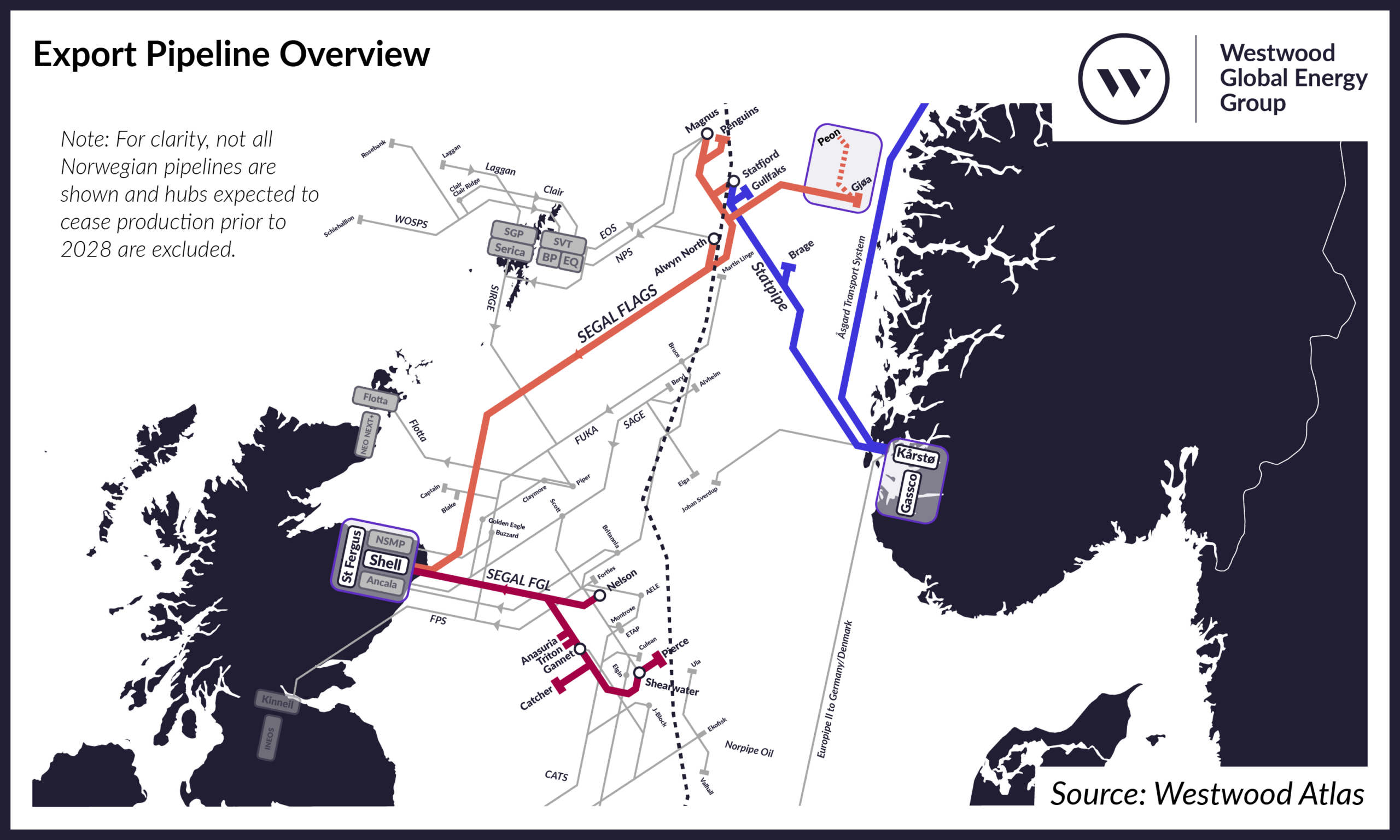
Figure 1: Export Pipeline Overview. Source: Westwood Atlas
Impact on FLAGS
The FLAGS pipeline transports gas from two hubs in the UK Northern North Sea and two Norwegian hubs to the Shell SEGAL terminal at St Fergus. The West of Shetlands Pipeline System (WoSPS) also routes gas into the FLAGS pipeline, via the Sullom Voe Terminal. However, from H2 2026, WoSPS entrants will have the option to export gas through the SIRGE pipeline into FUKA, as an alternative to FLAGS. Additional volumes arrive to the SEGAL terminal via the Fulmar Gas Line (FGL), which gathers gas from eight UK Central North Sea hubs.
In 2026, Westwood estimates that the SEGAL terminal will process c. 805 mmscfd gas, 60% from FLAGS and 40% from FGL. By 2031, with decreasing production across all entrants, the throughput is forecast to drop to c. 390 mmscfd, with only a marginal increase in the FLAGS share to 63%.
Two Norwegian hubs export gas via FLAGS, Statfjord and Gjøa, contributing 83% of FLAGS throughput and 50% of the gas received at the SEGAL terminal in 2026. The Gjøa hub is a critical entrant, accounting for 65% of FLAGS throughput and 40% of gas at the terminal. The hub also lies within close proximity of other export routes, a risk highlighted by Westwood in its Licensing & Infrastructure Report, published in August 2025 for OEUK.
The development of Peon back to Gjøa will substantially increase gas production at the hub. Based on analogous field production, Westwood estimates an annual peak of c. 400 mmscfd for Peon and will help extend the longevity of the Gjøa hub to 2045 or beyond. Peon gas will most likely be directed through the proposed new export route to the Kårstø terminal. Dependent on the commercial terms of existing contracts, the remainder of the Gjøa gas could also export via the new route, which would impact the SEGAL terminal economics.
The challenge could be further compounded by optionality for WoSPS to export via SIRGE to FUKA, and Statfjord to export via Statpipe to Kårstø. In 2026, 14% of SEGAL terminal gas has an alternative export route, by 2031 this could be 78%, with the re-routing of Gjøa and including Peon (Figure 2).
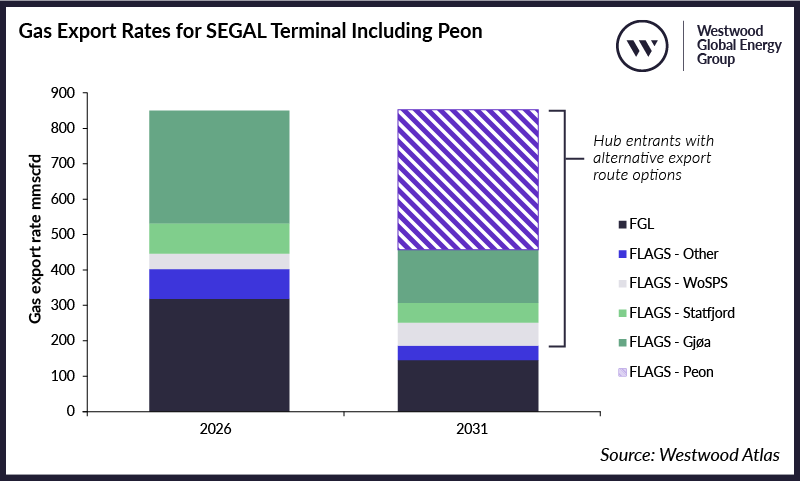
Figure 2: Gas Export Rates for SEGAL Terminal Including Peon. Source: Westwood Atlas
The implications of rerouting Gjøa exports to Kårstø extend beyond FLAGS and SEGAL. The SEGAL terminal sends Natural Gas Liquids (NGL) to the Shell Fife Natural Gas Liquids plant (FNGL) where it is separated into propane, ethane, butane and natural gasoline. Gas from the St Fergus terminals feeds into the National Gas Terminal, meaning any reduction in gas throughput would also reduce gas volumes going into the National Grid.
The Strategic Case for Rerouting
The potential implications for FLAGS raise an obvious question: why would Norwegian producers choose to reroute gas away from an established export route to the UK?
Norwegian hub entrants, such as Gjøa and Statfjord account for a significant proportion of UK pipeline/terminal throughput, and consequently a substantial share of transportation and processing costs. Exporting to Kårstø, with a higher number of entrants to the system sharing operating costs/tariff, could be a lower cost option in the longer term. At the same time, the expected longevity of these hubs often exceeds the UK counterparts. For hubs with production extending well into the 2040s, earlier access to alternative export routes may become increasingly attractive.
A Kårstø export solution could also offer greater strategic flexibility for Norway. Rather than being delivered directly into the UK gas network, gas exported through Kårstø would be connected to Norway’s wider gas transportation system, providing access to multiple export routes and markets across Northwest Europe. This could increase optionality over where gas is ultimately sold.
The Peon project remains at an early stage, and future export decisions will depend on commercial arrangements and existing transportation commitments. Nevertheless, the development highlights a broader challenge for UK infrastructure. As Norwegian operators seek to future-proof their long-life assets, the UK’s pipeline network could become increasingly exposed to the small number of Norwegian key entrants. The inter-dependencies of UK pipeline systems bring into focus the delicate balance of energy security in the UK over the next 10 years.
Yvonne Telford, Research Director – Northwest Europe
ytelford@westwoodenergy.com
Matthew Belshaw, Senior Analyst – Northwest Europe
mbelshaw@westwoodenergy.com
Source: Westwood Global Energy Group