
Protecting the UK’s offshore energy installations must be a national priority: A perspective from the frontline: said Graham Skinner, Health, Safety & Security Policy Manager, OEUK
The UK oil, gas and offshore wind industry operates in some of the most challenging conditions anywhere in the world. Some of it is hundreds of miles offshore in the North Sea and closer to Norway than to the UK mainland.
This remoteness has built a resilient sector capable of delivering vital energy supplies throughout the harshest winters, but it is also vulnerable to attack.
Offshore assets are not just far from Westminster, they are far from the security services and far from immediate military support. The threat landscape is evolving rapidly. Our industry must be made aware of what the emerging threats might be, and the UK must also demonstrate it has the response capabilities to deter adversaries.
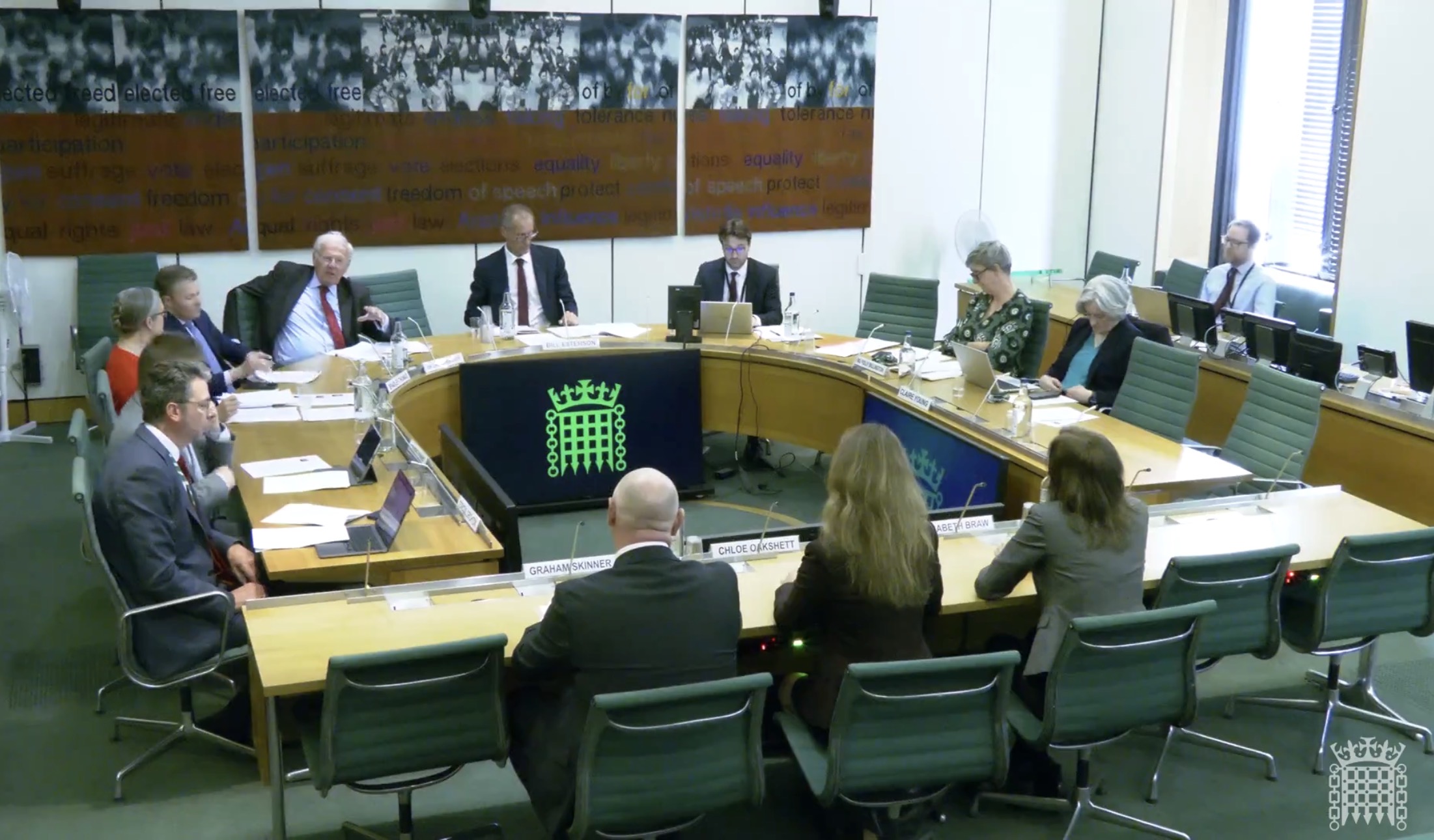
These issues were the focus of this week’s House of Commons Energy Security and Net Zero Committee investigation into energy resilience, which heard evidence from me on behalf of my Offshore Energies UK team.

Our concerns are being heard. We recently collaborated with the Department for Energy Supply and Net Zero (DESNZ) on a desktop emergency response exercise called Granite Resolve, a simulated offshore energy crisis scenario designed to stresstest coordination between industry, government and emergency services.
The exercise showed that industry can mount a robust response to today’s challenges, but it also demonstrated that resilience to future threats will depend on how seriously we take the security of these assets.
Offshore installations are not a peripheral nice-to-have addition to our national infrastructure, they are fundamental to our energy system. The North Sea supplies almost half of total UK gas demand, the gas used by most people to heat their homes and cook their food. It also underpins oil flows into European refineries that return to the UK as essential transport fuels.
Yet these installations are not designated as Critical National Infrastructure and it is a gap that should concern all of us.
We must recognise that protecting offshore energy infrastructure is just as important as safeguarding onshore assets. As offshore wind expands further into deeper waters, these vulnerabilities will only grow across the wider energy system.
We need an industrial policy that supports longterm investment and operational stability, because secure businesses are resilient businesses. We also need closer collaboration between industry and government.
The sector has a proven track record in safety and readiness to respond to known risks but it is less prepared for sophisticated, coordinated attacks that could target multiple installations at once. Cross-sector collaboration and a depoliticised energy debate are essential to encourage private investment in both physical and cyber security.
The government’s forthcoming Energy Resilience Strategy is the first such initiative of its kind and is cross-system rather than offshore-specific. It aims to consolidate threat reporting and create a more joined-up resilience framework but the administrative burden for multiple government departments remains a challenge.
The new energy sector Cyber Security Strategy is also a welcome development but a plan for defending against multiple cyber-attacks is needed, alongside a system to reassure offshore workers that their threat reports are genuinely acted upon by intelligence services.
Designating offshore energy installations as Critical National Infrastructure (CNI) would unlock more effective governance and intelligence sharing. Similarly, the establishment of a direct maritime security forum like Norway’s model would also allow proper communication between government and operators.
At the moment operators can only respond to unknown threats by shutting down platforms for safety. This raises questions about national grid resilience, especially if multiple gas installations were forced offline during peak winter demand.
Recommendations
We are recommending the following steps to strengthen resilience of UK energy infrastructure:
- Designate offshore installations as critical national infrastructure to improve governance and intelligence sharing.
- Streamline threat reporting and reduce administrative burdens on operators.
- Enable visible military deterrence to signal capability and resolve.
- Prioritise basic cyber hygiene and supply chain audits.
- Foster cross-sector collaboration and depoliticise energy security to encourage private investment.
By addressing these areas, the UK can better protect its critical energy assets against an increasingly complex threat landscape. The sector’s legacy of safety provides a strong foundation, but adapting to new realities is essential for future resilience.
Source: OEUK